
Back in my element
In which I find myself back at home on the road

I rode 300km the other day, for the first time in almost five years. And to my great surprise, everything was fine. In fact, allowing for the normal difficulties and side effects of cycling that far, I’d say it went extremely well.
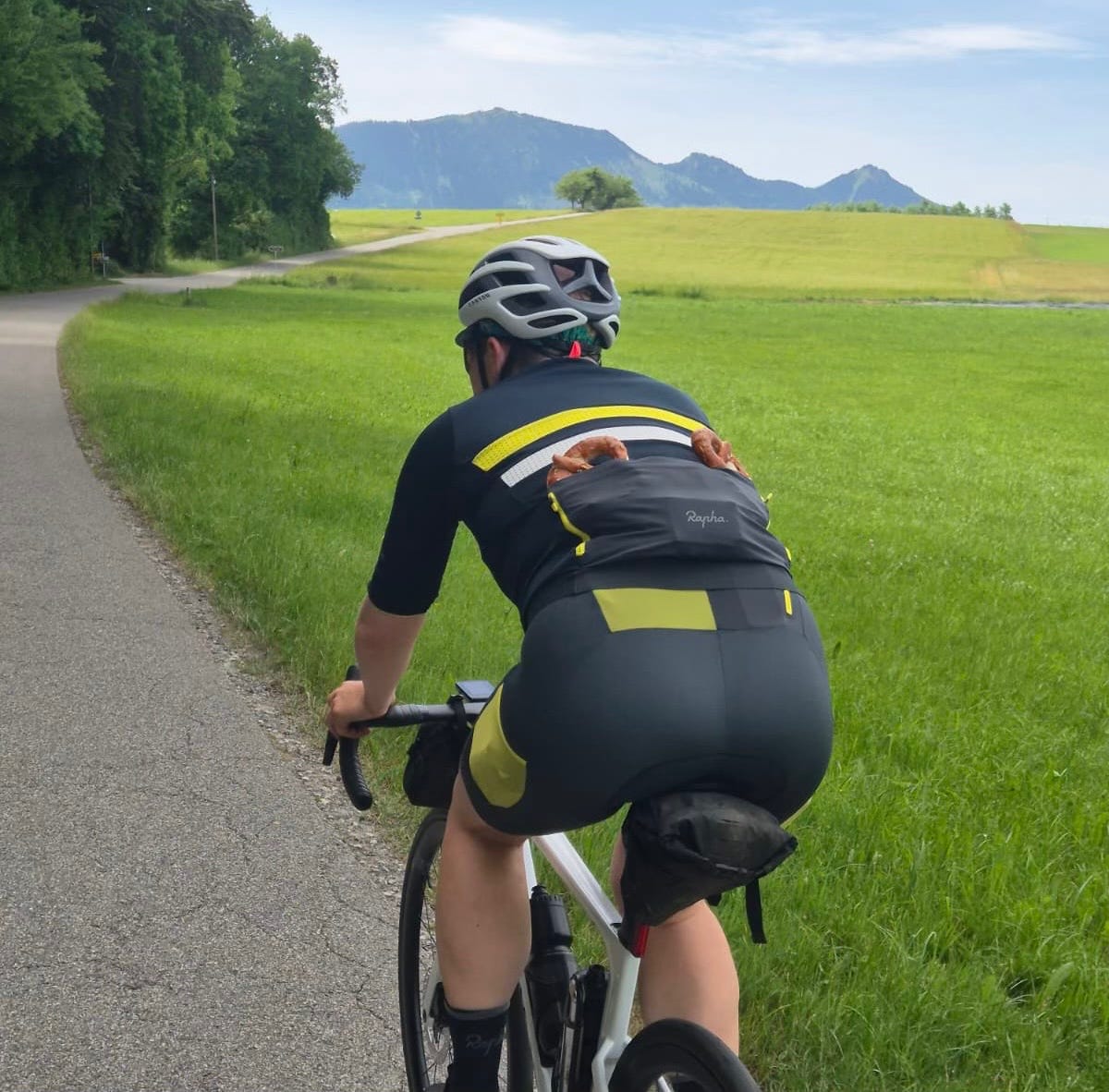
I’m very tired now – but there was no way I wouldn’t be, after cycling for over 15 hours. My throat and legs and bottom are a bit sore – but nothing I’d consider an injury, and given that I was riding an unfamiliar bike, and wearing a different style of shorts from what I’m used to, I had expected a lot worse. I’d say the only part of me that’s really in pain is my upper lip, which is cracked from sweat and dehydration, but I can live with that, and I don’t think the damage will be permanent.
I keep checking and double-checking myself. Am I really OK? Am I sure about that? But I think I am. What a relief.
Nothing is certain any more, nor has it been since I went down with long COVID, now almost four years ago. Because of the strange, cyclical nature of this illness, I never know if I should say that I’m better. I’ve relapsed so many times that it seems more likely that I’m not, though I think the general trend has been an upward one.
I’ve learned to doubt myself, and second-guess what my body is telling me. On days when I feel like my old energetic self I’ve learned that I should not just go out and exercise as hard as I like, because I might pay for it with weeks of fatigue. And when I feel legitimately tired from doing something hard, as I do right now, I often worry that I’ve overdone it, and damaged my health, and might take months to recover.
I wondered if it was really a good idea when I committed to riding 300km, as I did when I decided I’d ride the two 200s I did last month. Was I being irresponsible, attempting something so demanding? Perhaps I should just stick to two-hour outings with a nice café stop. I don’t think I have an exercise addiction, but I sometimes feel uneasy when I notice the similarity between my own trains of thought, and behaviours I’ve witnessed in friends who have difficult relationships with substances, who frequently go against their own better judgement, and who do things that they know will cause themselves harm in the longer term.
Before I got ill, I lived in a world where exercise was always the right decision. It would improve your health and happiness, and could turn a bad day into a good one. Pre-COVID, if I felt tired or unwell, a nice brisk bike ride would often turn things around. I had been surprised when I learned, in my first year of cycling, that exercise can make you feel less tired, but once I figured that out, it became a hack that I deployed very regularly.
I’ve had to unlearn all that, just as I’ve had to unlearn the normal cause-and-effect that says riding a 300 this month means I can probably ride a 400 next month. That might well now be the case, but over the past few years I’ve failed to meet most physical targets I’ve set myself, as well as wasting a lot of money on entry fees for events I ended up not having the energy to train for. So, although obviously I dream of doing more big rides, and am not unaware that I could still try to get into Paris-Brest-Paris next year, I no longer react to one success by compulsively planning others.
If I continue to feel well over the next few months, I’ll do more 200s, some 300s, and maybe a 400. But I won’t be committing to anything very far in advance. I still don’t know what my body might be capable of, a few months hence.
In the days before this weekend’s ride I was mostly happy, but there was an undercurrent of anxiety. As well as worrying that I might end up damaging my health, I found myself rehearsing all the familiar woes about what my fellow riders would think of me, and whether they’d be disappointed when, rather than the race-winning hero they were expecting, I turned out to be slower, larger, and less fit than most of them.
