
Elbow room
Why train travel is better, cooler, comfier, more fun and more interesting

I’m writing this with a slight hangover1, having done my longest ride of the year two days ago. It was actually, at 215km, the longest ride I’ve done since I succumbed to long COVID in the summer of 2022 – and the first audax I’ve completed since the Sunseekers and Moonrakers 300 in late 2021.
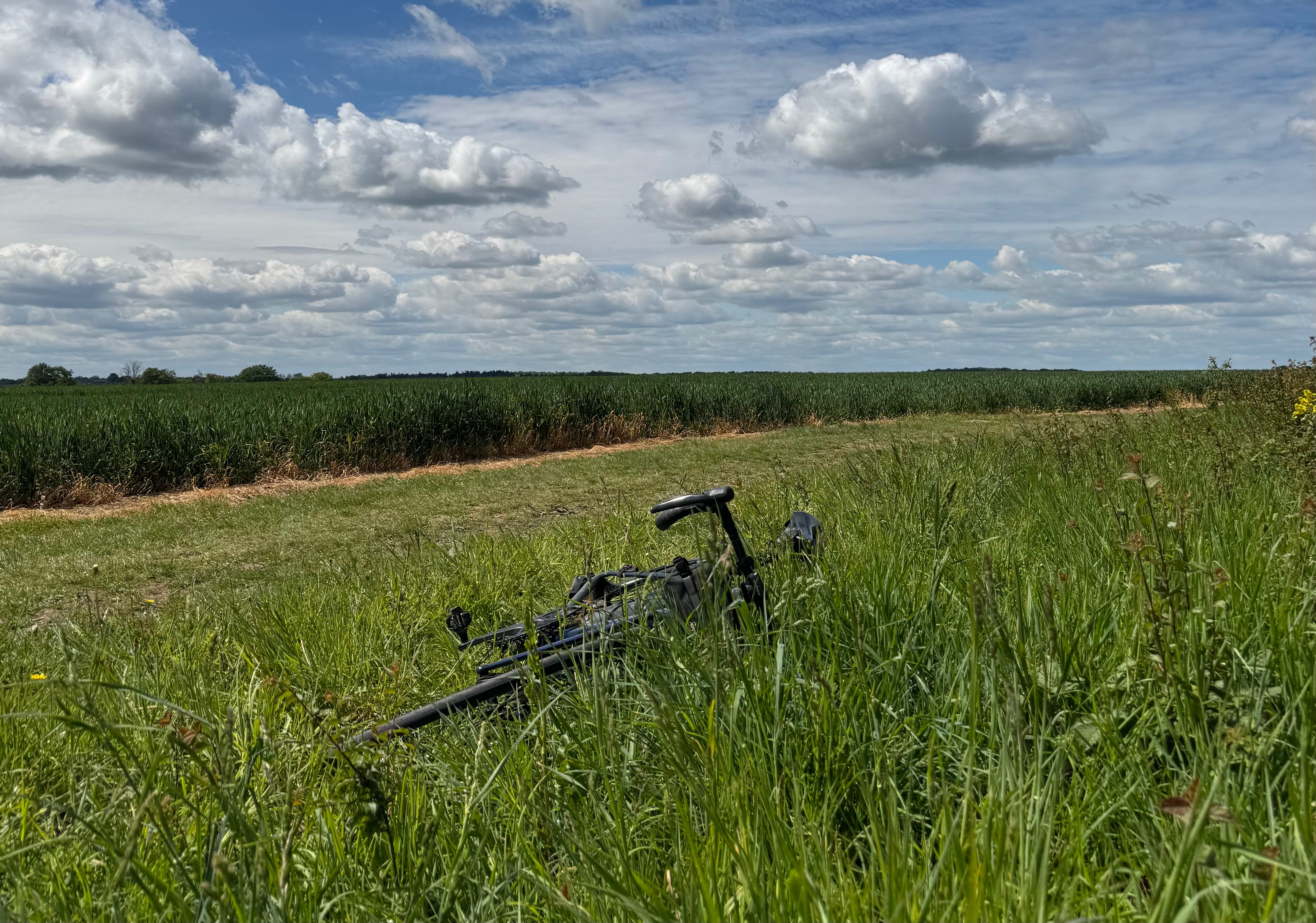
I’m dismayed by how much time has passed, but mostly delighted that I seem to be back to my old ways, albeit slightly slower than I was before, and with a body that takes significantly longer to recover. (I know 200km is never not a big deal, but my levels of dehydration and tiredness feel more apposite to what a 400 or a 600 would have taken out of me in previous years.)
I’m not calling it a comeback, and I don’t think I ever will. Partly because my particular bout of long COVID has had anything but a steady trajectory towards wellness (an upward spiral, if anything), and I have several times announced that I’m over it, only to relapse the following week. I have, I think, been able to do a little more each season in recent years, and I’m certainly back at a higher level of fitness and ability than the average person will ever enjoy – but I no longer trust the recovery arc always to bend upwards. I’ve been disappointed too many times.
Also, my body just feels different now, and it’s impossible to say whether that’s because it has been chemically changed by my illness, because I’ve lost fitness, or simply because I am now in my mid-forties, and a good five years past anything resembling a physical peak.
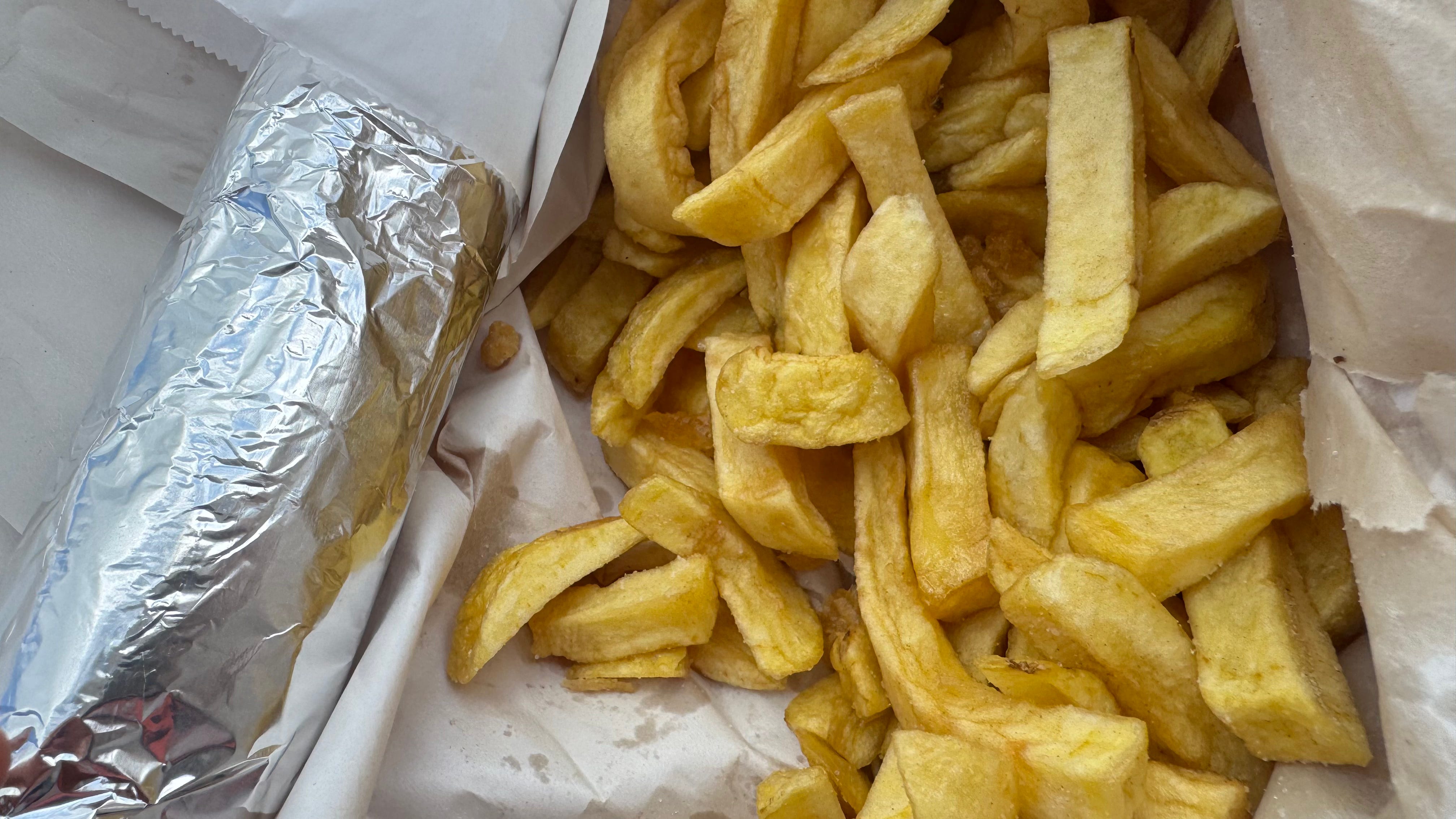
So I’m working with what I’ve got, and I’m grateful to have it. And although it was mildly dispiriting to see every other rider whizz past as I sat eating chips on the outskirts of Newmarket on Saturday – the chips did taste very good, and it was gratifying to feel my body absorb them eagerly and almost immediately speed up, just as it used to.
I’ve got a bigger ride coming up in the next couple of weeks – I’ve been invited out to Bavaria, for one of Rapha’s FAR events, and this one has options of 200km, 300km and 400km.
If you’re in Germany, as I know several of my readers are – or if you fancy a weekend jaunt in excellent cycling country – you can find the details here. You need to be an RCC member to enter, but that only costs £70, which is less than you’d pay for a single sportive, and it gets you two of these fully-supported rides per year (they happen all over the world), plus free coffees and sundry other perks.
(And yes, this is basically an ad for one of my sponsors, so please consider it flagged as such – though the only reason I’m really including it here is in the hope that I might get to ride with a few more of my German pals, or at least meet them over coffee at the start.)
For reasons of ego fragility I really don’t want to do the shortest route. Though I do have to acknowledge that this is ridiculous. The audax I rode the other day offered editions of 55km, 110km and 218km, turning 200 from the ‘soft’ option into the ‘hard’ option, which really illustrates how context-dependent this all is.
But also, there is something in me that chases a challenge as helplessly as a dog chases a passing cyclist. I’d do the 400 if I thought I could get away with it. But I think that, for now, that would be a step too far, and I’d probably miss most of the finishers’ party, plus put myself in such a hole that I might not be able to enjoy the journey home.
And the journey to and from Munich is actually what I planned to write about today, because planning it has been quite a satisfying experience.
As I always do these days, I requested to travel by train rather than by plane, and submitted a provisional budget for the return journey from Sheffield to Munich, via Paris.
The full fare would be £700.99, I explained. I admit that’s quite a lot.
But, I went on, you can normally do it more cheaply with a four-day Interrail pass, even taking into account the fact that you need to pay extra for reservations on Eurostar and the French TGV.
The Interrail pass would be €283, and with €35 each way for Eurostar reservations, that comes to €353. The TGV reservation between Paris and Stuttgart would cost €22, and from there I could take any train I liked to Munich, without paying any more. For the homeward journey there would be a direct TGV all the way from Munich to Paris (almost six hours, perfect for a tired cyclist), also costing €22. The pass includes two days of homeward travel in your own country, peak or off-peak, which means I can take any train I like between Sheffield and London.2
So that’s a complete cost of €397, door to door.3
Flights, of course, are almost always cheaper than train tickets, so I sometimes worry that under-budgeted marketing departments won’t be willing to indulge my overland preferences.
For this journey I could have travelled between Gatwick and Munich for only £154 with Easyjet. But flight schedules meant I’d have needed to stay in an airport hotel the night before (prices start at £92), plus a return train ticket from Sheffield would be £83.99, and the train from the airport to Munich city centre would be €15 each way – bringing it to an approximate4 total of £356.12.
Or I could have travelled at a more conducive time with Lufthansa, but I’d still have had to pay for train tickets to and from both airports, bringing the total to £359.91.
These were both still slightly less than the train option, I admitted – before realising that that was still in euros. Converting it to sterling gave me the very satisfying result of £345.75, the cheapest by over a tenner.
This boosts one of my many arguments in favour of flight-free travel – that although flights often are ridiculously cheap, you still need to factor in the cost of getting to and from the airport, and of sleeping there if you need to check in for a 6.55am departure. (Here you get to pick the financial cost of staying in an airport hotel, or the cost to personal comfort and dignity of arriving the night before, trying to sleep in the departures lounge alongside dozens of other people who regret their life choices, and spending the first day of your trip bleary-eyed and grumpy.)
Flying is often, let’s face it, a bit rubbish. I haven’t taken a flight for nearly four years now, but I still remember the tedious hours in airport lounges, where there’s rarely anywhere comfortable to sit, or anything to do other than shop, or any peace and quiet to get stuck into a good book, or catch up on work. And once you’re on the plane you’re squeezed up in a narrow space, sharing an armrest with an annoying stranger, breathing recycled air, and getting increasingly stiff and dehydrated as the hours wear on. Then, more waiting for your luggage at the other end, and often quite a long journey to your actual destination by taxi or public transport, since airports are rarely near anywhere anyone actually wants to be.
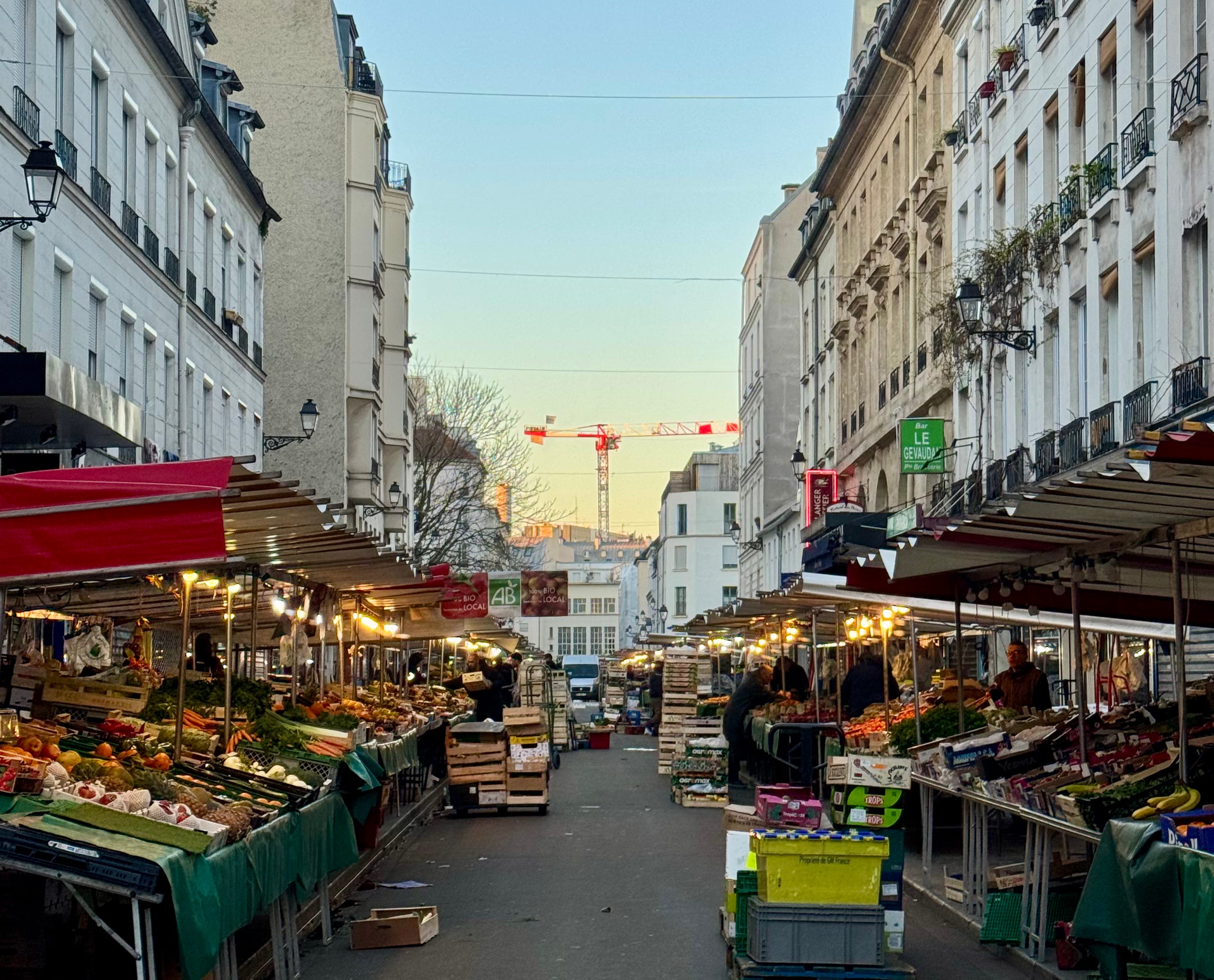
Train travel is not without its discomforts and inconveniences, but I’d say it’s generally an improvement. Major train stations are usually in the centre of the city, you get to feel classy as you stride in and out of statuesque buildings like St Pancras and Gare de Lyon, and even if you only have 45 minutes’ transfer time, that’s still enough to nip out and find a nice café, rather than paying premium prices for whatever mush has been made available to an airport’s captive audience. You still sometimes have to go through security scanners, but the queues generally move faster, and you get to keep your luggage with you, rather than worrying it’ll end up in Schiphol by the time you disembark in Seville.
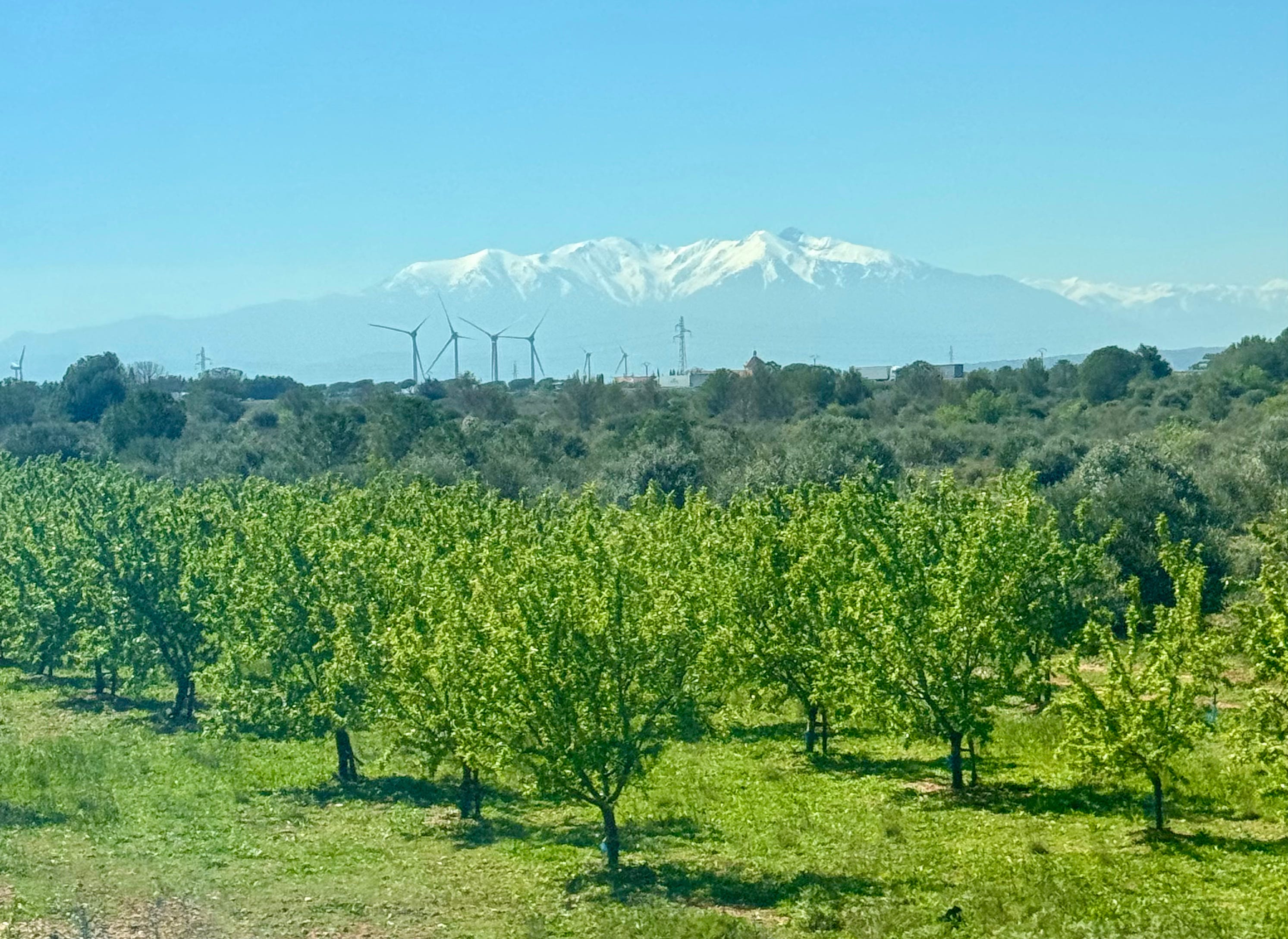
It’s nice to gaze down on sunlit mountain ranges from a long-haul flight, but I would argue that the glimpses I’ve had of Mont Ventoux and Mont Canigó from the Paris-Barcelona TGV are more exciting – and you rarely come across articles about the world’s most scenic flights. (Books and listicles about the ‘top scenic train journeys of England/Europe/The World’ are two-a-penny, which I think tells us something.)
You do still have to share a space with strangers on a train, but there’s usually more elbow room, you can upgrade to first class at far less cost if you really want to,5 and it’s much easier to get up and go for a stroll if you need to stretch your legs. Lots of the long-distance European trains have bars and dining cars, which are nice places to hang out for a little while, sipping an ok espresso, eavesdropping on other people’s conversations, and watching the scenery scroll by.
I’m not going to pretend that train travel is the best solution in every case. If time is of the essence, certain routes are always going to be quicker by plane, even accounting for all the faff and extra travel at either end. Not everyone wants to spend an extra day of their trip in transit – though I would argue that travelling across Europe by train is quite a pleasurable experience, and if your holiday has been an energetic one, you might appreciate a day of sitting still and daydreaming before getting back to life’s hustle and bustle.
And although I have begun to pluck up the courage to attempt journeys like this with a bike (I successfully took my road bike on the TGV and Eurostar last summer, and no one kicked me off), I have to admit that I breathed a sigh of relief when Canyon agreed to ship a bike to and from Munich for me next week. The thought of doing this journey with a small backpack, rather than a partially disassembled bicycle in an ungainly bundle, feels wonderfully freeing. (That said, I also have plenty of horror stories about taking bikes on planes.)
So it’s not for everyone – but I’m going to keep on enthusing about how enjoyable these journeys are, as a very gentle form of activism. We all know that travelling overland is less detrimental to our environment than flying, so I don’t see much point in reminding people of that, or harrying them to stop booking flights. Nothing is more likely to put people off listening to you, than telling them they’re doing it wrong.
But long-distance travel is one of those things where the more-environmentally-friendly alternative actually is better, cooler, comfier, more fun and more interesting. So all I’m really doing is quietly pointing out its advantages, enjoying the opportunity to share a part of my life that brings me huge satisfaction, and hoping that fellow train travellers will be in touch to share their own tales, tips and triumphs.
I’m always happy to talk about this stuff, so do drop me a line if you want, but I do have to admit that almost all my knowledge comes from the Seat61 website, which I genuinely think is one of the best resources on the internet. Here’s a link to everything he has to say about Interrail passes.
The post-ride sort, not the post-booze sort.
To give you an idea, a peak-time return fare between Sheffield and London (two hours each way) could cost as much as £265, which is more than my entire Interrail pass.
This itinerary does include a night at a friend’s house in Paris, which obviously is not available to everyone. But Sheffield to Munich is possible in a day, albeit a long one.
Bearing in mind variable exchange rates.
A first-class four-day pass will cost you €367, which is around £75 more. You’ll also pay an extra €5 per Eurostar reservation, but this is of course amply offset by all the food and drink you’ll get.
This email landed as brilliantly timed travel inspiration. We’re planning a family holiday in Greece this autumn (2 adults, 2 kids and a baby) and I read your email and mused aloud to my husband, perhaps we should get the train…? And as a family we’ve just spent the last hour looking at timetables and photos and planning an epic journey across Europe, for a very similar cost to flying. Thank you!
Pretty cool that train travel can finally become reasonably cheaper than (or at least on par with) flying! With that out of the way, it might just be taking longer? And even then, only for the longer distances, for shorter flights, getting to/from airports from city centers and longer waiting for security checks can easily wipe those out!