Monthly round-up #8
In which I maximise my screen time

Hello friends,
And welcome to November.
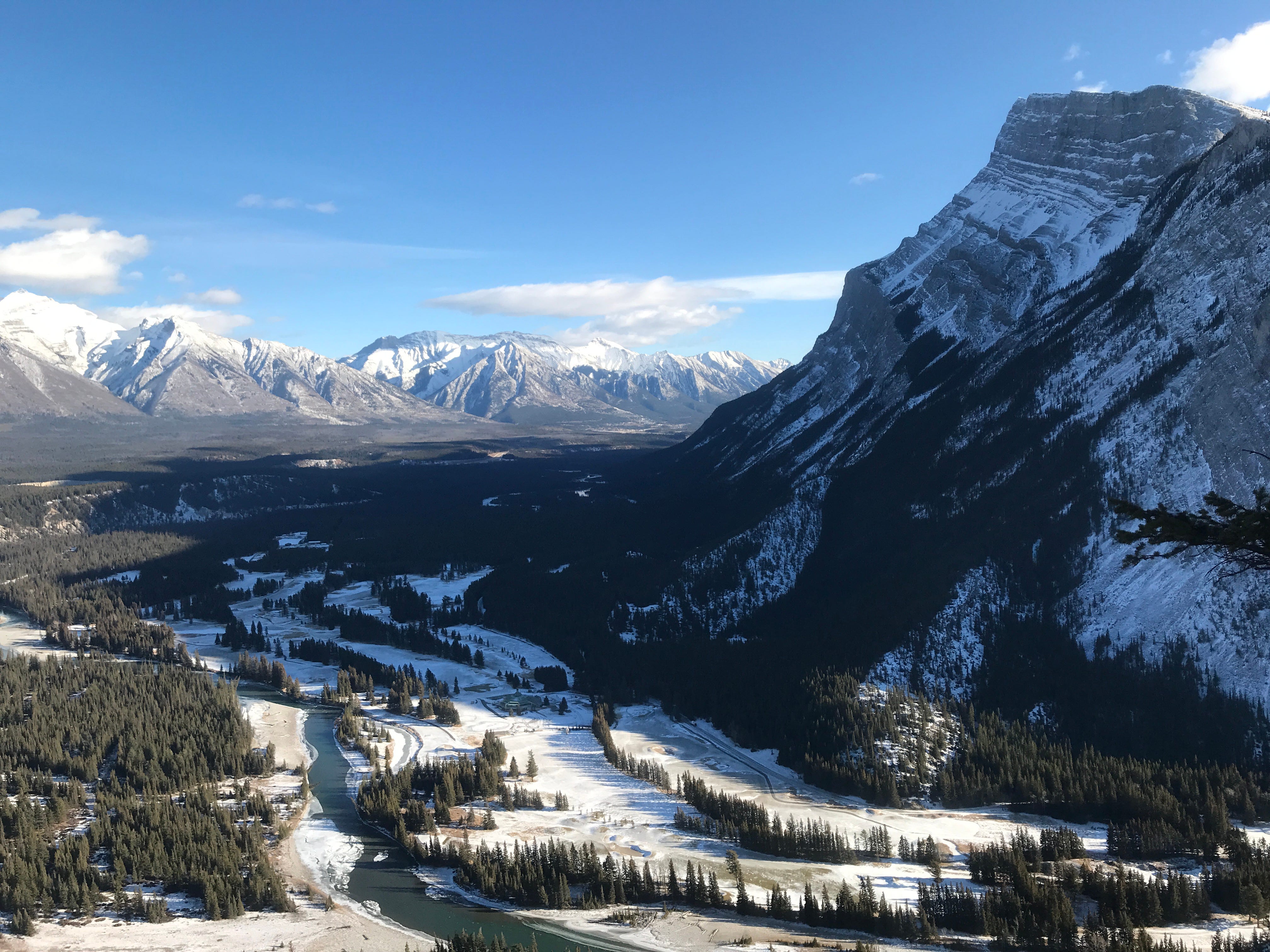
The big event this month is Kendal Mountain Festival – basically, the UK’s biggest gathering of outdoor adventurers, filmmakers, travel and nature writers, and everyone who wants to bask in their glory. I’m on the film jury this year (rather to my surprise, as I don’t consider myself a film expert, but I think that that’s perhaps why they wanted me), and so far it’s proving a very interesting experience.
Every Friday, the artistic director of the festival (hi Claire!) sends us five judges a list of films to watch, and I’ve come to think of her emails as being like Christmas stockings – full of unexpected treasures that I get to open and enjoy. The list normally adds up to three or four hours of watching, and consists of everything from experimental five-minute shorts, to lavish 90-minute features.
And after my customary initial panic (how on earth am I going to fit all of these films into my already busy week?) the job has turned out to be mostly easy and enjoyable. Indeed, it’s refreshing to be given a piece of work with a specific timeframe – most of the jobs I normally do tend to take far longer than I, or anyone else, estimate that it will, but a 53-minute film will always take me precisely 53 minutes to watch, and no matter how much or little effort I put it, I will definitely have finished the task before it’s time to make dinner.
As you might have imagined, I’m taking this job very seriously. I watch films at my desk (rather than from the sofa), I don’t watch if I’ve been drinking, or am otherwise distracted, and I scrupulously take notes all the way through, as much to remind myself of my initial impressions when we discuss them all several weeks hence, as to record any opinions of note. For the first week or so I wasn’t sure what to say – every single film seemed brilliant, and as far as I was concerned they should all win prizes. So I found myself scouring each one for any possible shortcomings that might allow me to distinguish it from the others, and my notes, when I read them back, seemed unfairly critical.
As the weeks have passed, my eye has developed and I’ve started to notice more how a film is put together; how the director has decided to tell the story, and how they’ve overcome problems like (for example) not having footage of a particularly pivotal piece of the narrative. I’ve become more used to the familiar tropes and formats, and more appreciative of the filmmakers who manage to move beyond them. At this rate, I’m going to have to go back and watch the first couple of weeks’ offerings again, but I don’t think I’ll have time before we get to Kendal.
What’s surprised me about the films I’ve watched is just how different they all are. Kendal Mountain Festival – like the Banff Festival in Canada – was originally founded by people from the climbing and mountaineering communities, and has only later broadened to include other sports, other forms of adventure, and other ways of being in the outdoors. I’m less familiar with film than I am with literature, so I wasn’t sure how far things had come in terms of diversity, but as it turns out, film is doing pretty well. As ever, there’s farther to go, but to date I’ve been pleased by how broadly this year’s offerings span the various axes of difference. Most of the submissions I’ve watched haven’t been about slim, able-bodied, affluent white people going skiing – a category that irrationally irks me, because even as someone who ticks most of those boxes, I feel excluded from it. There are people of all ages, and from numerous backgrounds. There are LGBTQ+ people, working class people, and fat people. Illness and disability haven’t been forgotten, and when we meet indigenous people, their experience isn’t always mediated by a white protagonist. A couple of the films explore the experiences of refugees in ways that centre something other than their trauma and loss.
If you’re coming to Kendal, you’re in for a treat. And if you’re not, you’ll still be able to watch the films via the Kendal Mountain Player (basically Netflix for adventure films), plus the Festival goes on tour around the UK over the winter, so you might well catch some of them in your hometown.
Last week’s newsletter about growing up during different periods of LGBTQ+ history seems to have struck a chord with lots of people, so this week’s book recommendation is a double-header.
One of these books is uplifting and life-affirming; the other tells some difficult truths, and is not something you’ll want to read if you’re already feeling sad. If you can, please buy them from Gay’s The Word – the UK’s first LGBTQ+ bookshop, and for a long time its only one. Nowadays they’re doing a roaring trade, but they very nearly had to close in the early 2000s, and I still worry that they might not be there for future generations. And this is one of the places that has helped me (and so, so many others) understand who I was, put myself in context, and learn about the rich cultural history that I have turned out to be part of.
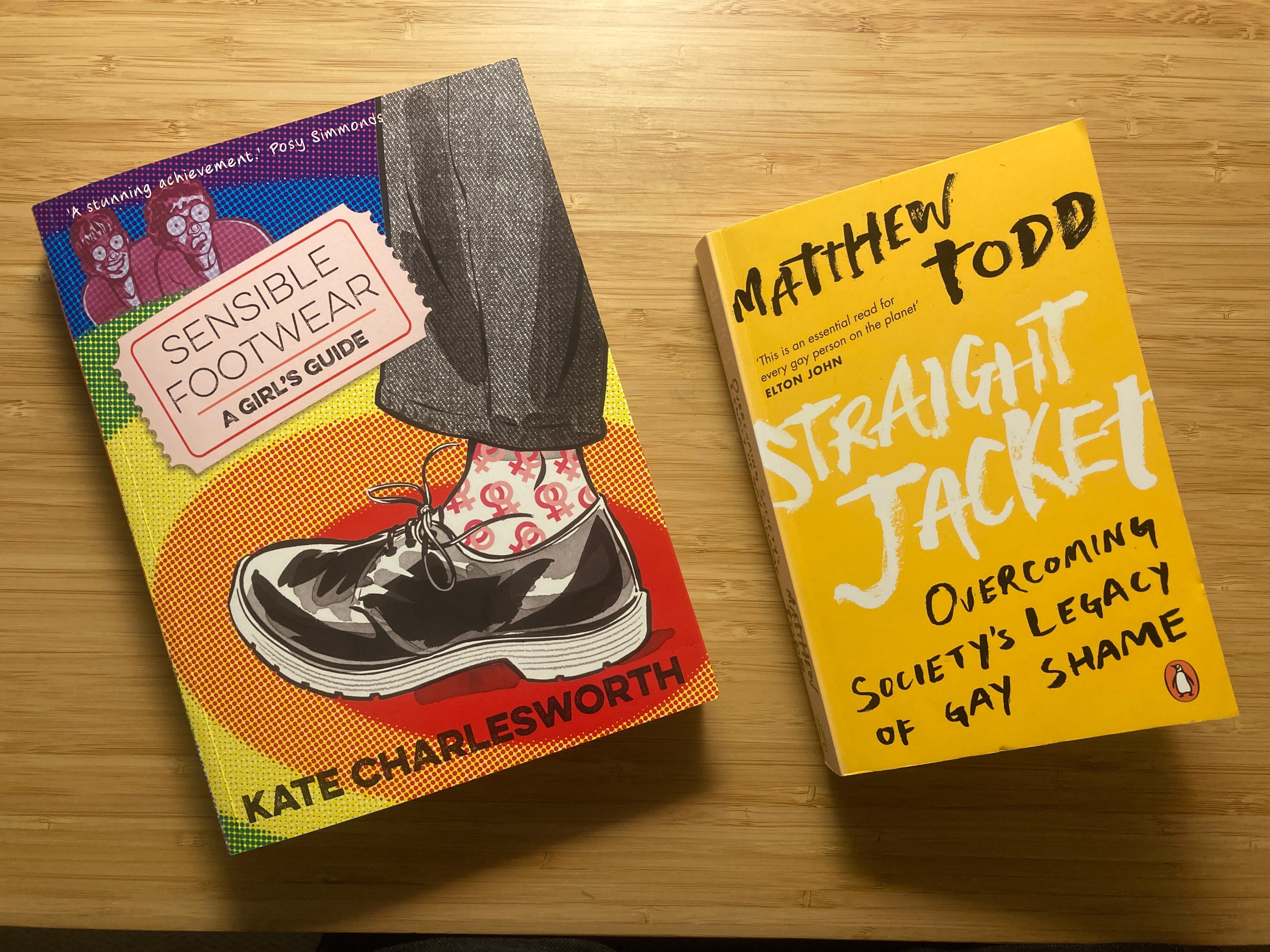
And in case you’d like to know more about our history, you should read Sensible Footwear, by Kate Charlesworth.
I couldn’t believe my luck when this book came out in 2019. It’s a graphic novel, that takes us through the recent LGBTQ+ history of the UK, from pre-Wolfenden to post-marriage. Kate Charlesworth also weaves in a cultural strand, reminding us of all the many ways in which queerness has graced our screens, stages and airwaves, sometimes surreptitiously; sometimes quite overtly. She shows us how the gay scene itself has evolved, flourished, faded and rebounded. And the whole thing is braided around her own life story – she was born in Yorkshire in 1950 (close to where I live now), she came out when she went to art college in Manchester in 1968, worked through “the golden age of gay publishing,” and had a ringside seat for all of the triumphs and tragedies of the late 20th century. She has made cartoons for almost her whole life, and originally planned Sensible Footwear as an illustrated history – but I’m so glad it became a memoir, because she and her friends are excellent company throughout, and Charlesworth’s flourishes of wit are often howlingly funny.
One of the many things I enjoyed about reading Sensible Footwear was getting to the late 1980s and early 1990s, and starting to recognise cultural and historical events that I actually remembered happening. There was something compelling, not only about realising that other people had shared moments I assumed were mine alone (turns out I wasn’t the only person who breathlessly watched Tipping The Velvet in the early 2000s), but also that I had actually, in my own small ways, witnessed history taking place. It was as a result of reading Kate Charlesworth’s book that I remembered I had been there for one of the very first civil partnerships, and that this was significant.
I met her at an event at Gay’s The Word, just after the book came out (and just before my most recent one was published – I was in town to promote it), having queued behind lesbians of diverse ages to thank her for documenting our lives and histories alongside her own.
I particularly wanted to draw attention to a conversation she overheard between two police officers at London Pride in 1993. (This panel is part of a longer sequence about police brutality in the 80s.)
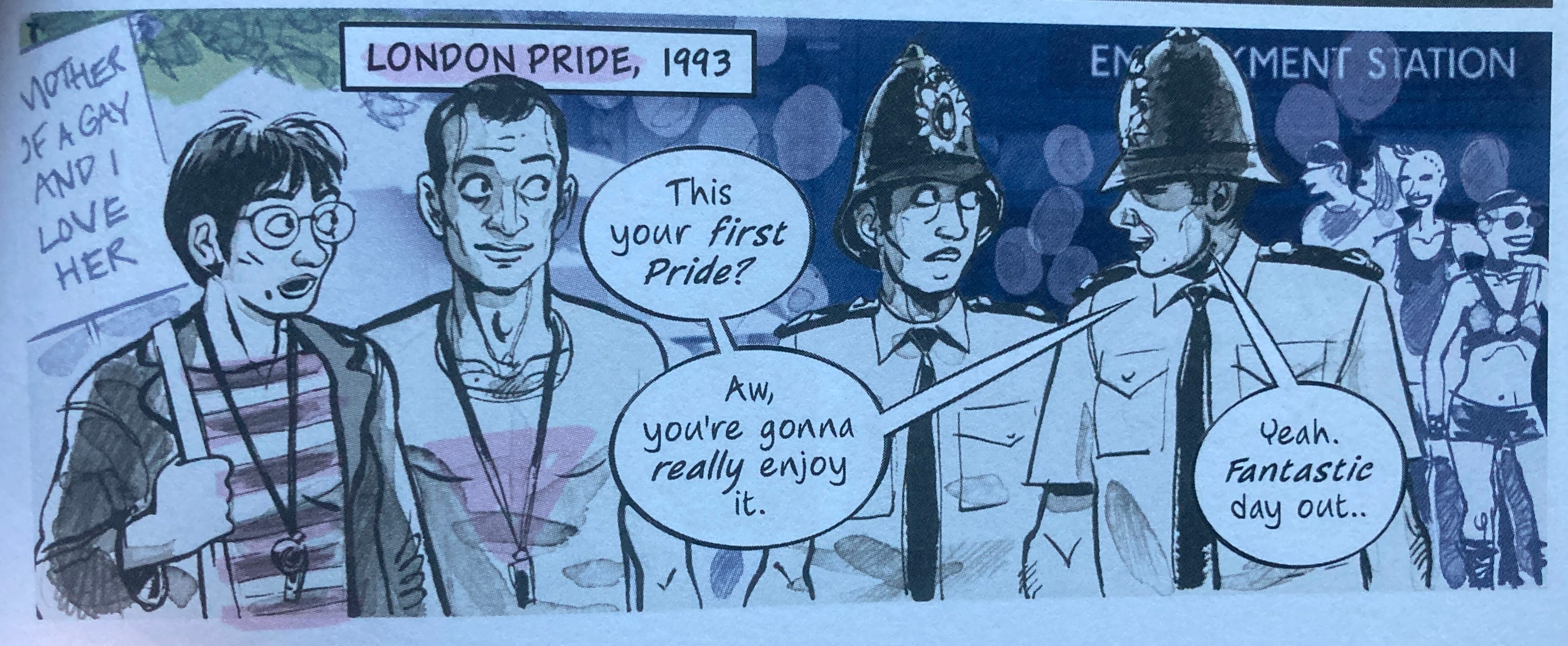
“It reminds me of an episode in a book I wrote,” I said, taking it out of the bookcase to her right, where it conveniently happened to be shelved, “where I crashed my bike, and ended up in a gay ambulance, gossiping about the mounted police flaunting themselves at Pride.”
I showed her the passage (it’s on p. 217 of What Goes Around, if you want to go and have a look), and we both had a good giggle. A lot has changed since the 1950s, and between all of us, we’ve been there to witness it.
My second recommendation is one of those books that I avoided reading for ages, knowing that it would floor me when I did. It was recommended by a friend who was training to be a psychotherapist, and in the process of preparing for their new profession, having to reckon with a lot of the demons of their past. In the process, they – and I – realised that many of the demons still exist in the present.
Matthew Todd’s Straight Jacket is primarily focussed on gay men’s experiences, but it will strike a chord with many of us who grew up queer (and probably many who didn’t). Although it offers hope and solutions, it’s also a bleak and sometimes distressing read, and I became increasingly angry as I recognised elements of my own experience in its pages.
Todd, formerly the editor of Attitude magazine, tells us about the lasting effects of growing up in a homophobic society – of the gay men struggling with addictions, eating disorders, depression and anxiety, and crippling social isolation, often in spite of the shiny happy images projected on social media. He explores the difficulty some men have in maintaining healthy loving relationships, having spent their formative years “experiencing chronic recurrent humiliation … absorbing other people’s beliefs that we are worthless, disgusting, sometimes evil, and then suppressing our true selves”.
He talks about how he attempted to outrun his own feelings of shame by becoming a high-achiever (this rang some uncomfortable bells), and about how many of us, having internalised the message that what we are is unspeakable, attempt to create ‘false selves’, that we can hide behind.
The book contains as many notes of hope as it does of despair – Matthew Todd opens and closes his narrative with depictions of happy gay couples. And although it’s a difficult read at times, it’s also a vital one. We’re living through a time of great change, and in many ways things are moving in the right direction. But change doesn’t happen all at once, nor is it evenly distributed, and nor is it without its frictions. Straight Jacket is the best account I’ve found of the emotional effects of the last few decades of our collective history – of the marks it has left on some of us, and of how we might come to terms with them, understand each other better, and begin to heal.
Upcoming appearances
Apart from Kendal (which I’ve mentioned above – you can buy tickets here), I have just one public talk coming up in the next month.
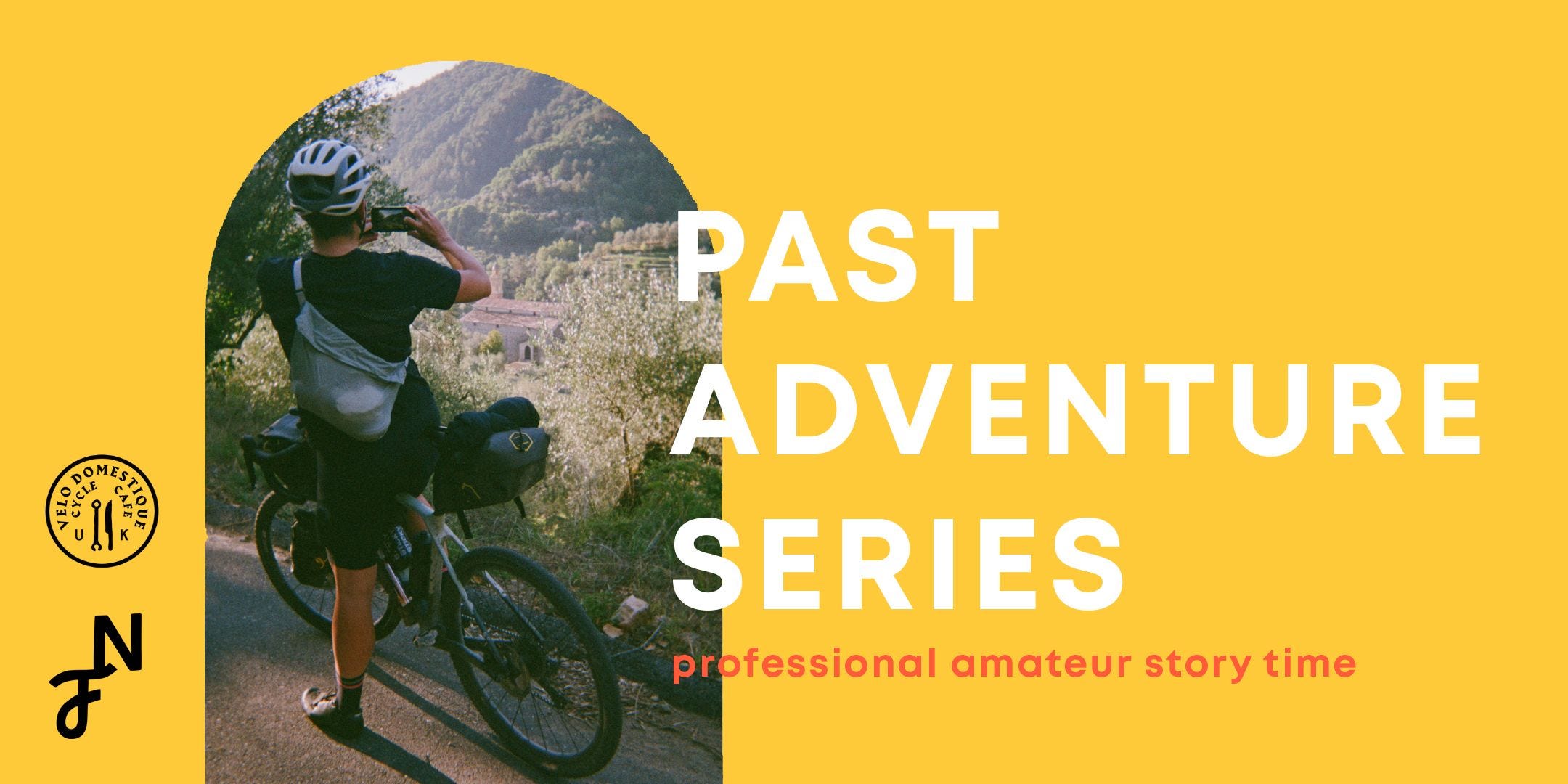
If you look at the New Forest Off Road Club’s website, you’ll see that they have a ‘Top Secret Story Teller’ appearing on the 1st December. Well, I’m happy to confirm that that is me, and that I’ll down south for at least a day, looking for opportunities to ride and socialise, as well as sharing my adventures.
I hope I’ll get to meet a few of you there!
Until next week,
Emily